Our Projects
Adventure
Water Sports


Phosphates Mining
Phosphates Mining


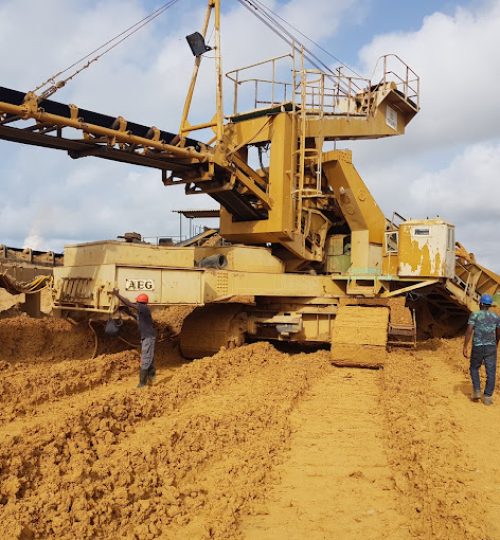
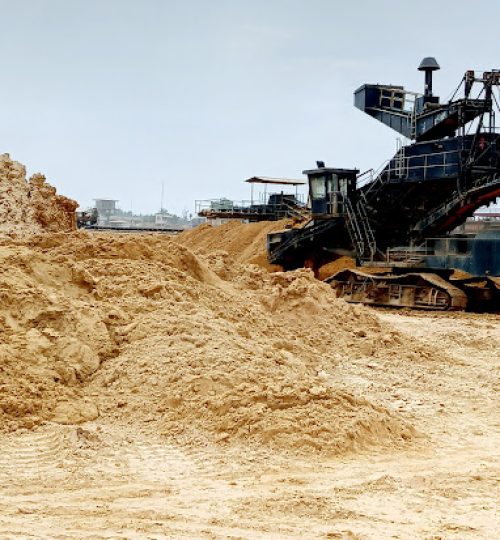
The exploitation of phosphates used to be at the heart of Togolese economy, making up to 40% of the State revenues. But corruption, mismanagement and the lack of the proper equipment maintenance have provoked the collapse of the sector between 1997 and 2007, a period during which the annual production went down from 5,4 million tons to 800.000 tons. Since then, the sector restarted with a production in 2014 of 1.11 million tons and 1.5 million in 2015. The exploitation at Hahotoé site started in 1959 by the company ”Société Minière du Bénin” (SMB), created by the French authorities in 1952. In 1957, SMB becomes the ”Compagnie Togolaise des Mines du Benin” (CTMB). CTMB is nationalized in 1974. Since 2008, the State company ”Sociéte Nationale des Mines du Togo” (SNTP) exclusively owns Hahotoé and Kpogamé sites and the processing plant at Kpomé. Togo has an estimated 60 million metric tons of phosphates reserves.
Environmental Impacts
Visible
Other Environmental Impacts
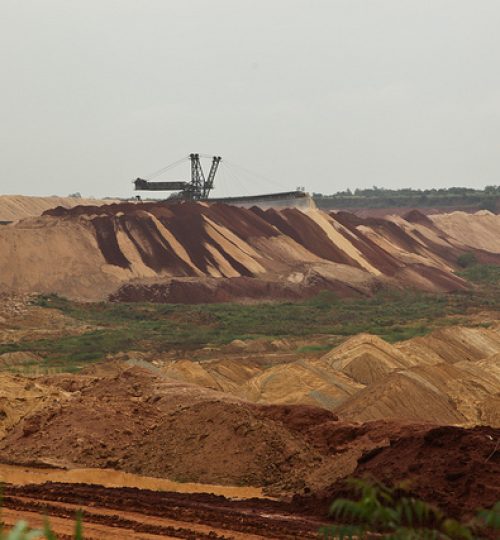
Heavy metals contaminate the soil and water resources. “The phosphate company is causing serious environmental degradation. This damage is making living conditions increasingly difficult for local populations. Because the mining is done in open pits, it leads to the degradation of thousands of hectares of land which, after extraction, undergoes no rehabilitation. Thus, the mining area, which was once a plain, has become a rugged area, often difficult to access, characterized by artificial hills, plateaus, and valleys.”
Forest Tours
Camping